
We help survivors of domestic violence take legal action to escape abuse and rebuild their lives and financial stability.
No one should have to face a complicated legal system alone. Our attorneys are experienced in family law and collaborate with domestic violence agencies, shelters, law enforcement, and other community partners to connect survivors with additional support.
How We Can Help:
Pisgah Legal offers legal help for survivors seeking safety, stability and independence from abusers, including:
- Protection orders (Also called DVPOs, 50B, or Court Orders)
- Child custody and support
- Divorce and separation
- Income stability and division of assets
- Housing, debt, and consumer issues
- Immigration law assistance
Frequently Asked Questions
We may be able to provide legal assistance if you experience abuse from: Domestic violence includes behaviors like:What types of domestic violence and abuse can Pisgah Legal Services help with?
We collaborate with domestic violence prevention agencies, shelters, law enforcement and other partners. This includes these Family Justice Centers and Resource Centers to provide coordinated services under one roof for survivors: What types of agencies do you work with?
Protective orders can provide direct protection by ordering an abuser to have no contact with a survivor, barring them from coming to the survivor’s home, workplace, etc. What does a protective order do?
Survivors can file for divorce after at least one year of separation (living in a separate residence with the intent to end the marriage). A divorce dissolves the marriage and can allow a survivor to resume the use of their prior last name if relevant. Financial issues can be addressed in the divorce case, including division of marital property and alimony/spousal support.If I've experienced domestic violence, when can I file for divorce?
Criminal cases against abusers are initiated either by law enforcement or by a magistrate upon request of the survivor and are prosecuted by the District Attorney. Pisgah Legal does not handle criminal cases but can help find resources. Does Pisgah Legal help file criminal charges?
More Resources


Find even more resources on our Materials page
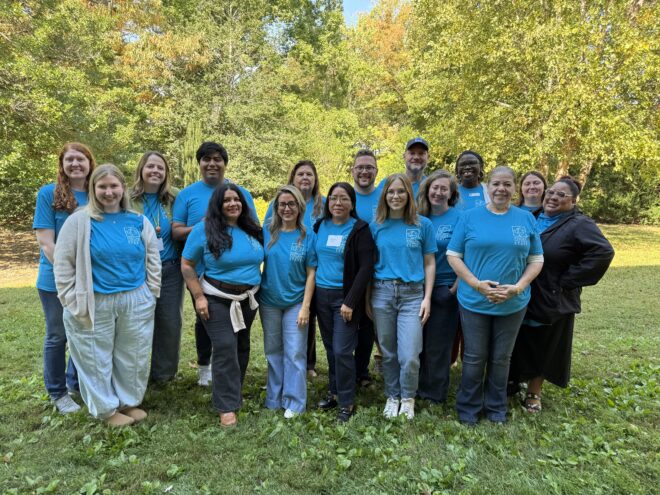 Pisgah Legal’s Domestic & Sexual Violence Prevention Program Team