Removing legal barriers. Creating opportunities.
The Reentry & Workforce Opportunity Program helps individuals overcome legal barriers that make it difficult to find a job, secure housing, continue their education and build a stable future.

Chip (left) with Pisgah Legal Attorney Ed Treat leaning against one of Chip’s Wings to Recovery vehicles. Read Chip’s story
How We Can Help:
To reenter society as productive members of the workforce, former offenders must overcome obstacles that stand in the way. We help remove obstacles, which reduces reoffending, through:
Driver’s License Restoration
Pisgah Legal helps clients restore suspended driver’s licenses. Being without a driver’s license can have devasting impacts on an individual’s ability to get to work, school, medical appointments or get food and other basic resources.
Criminal Record Clearing
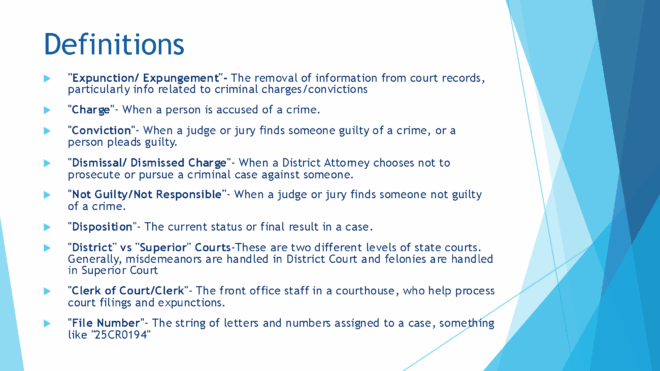
Pisgah Legal helps eligible individuals with criminal record clearing (also called expunction or expungement), which removes a charge from your official State criminal record. A criminal record can create barriers to jobs, housing, education, and other resources. More information about record clearing and Certificates of Relief are in the FAQ section below.
More than 300,000 NC drivers face suspension of their driver’s license for unpaid traffic court fines and fees.
Frequently Asked Questions
We work with community partners across Western North Carolina, including the NC Justice Center and NC Fair Chance, to advocate for policies that prevent people from losing their license because they cannot afford court fines and fees. We may be able to help eligible clients find resources to pay some or all of their fees. How does Pisgah Legal help with court fines and fees for a suspended driver's license?
NC Fair Chance has self-help resources that may work for you. You can also request an advice letter from the NC Bono Resource Center. I need help getting my driver's license back but I'm not eligible for your services. Is there somewhere else I can go for help?
Under North Carolina law, opportunities for criminal record clearing are limited but have expanded over the past few years. Dismissed charges and acquittals are eligible for expunction, and some misdemeanor and lower-level felony convictions may be eligible depending on several factors. You may be eligible for expunction if: Some offenses cannot be cleared through an expunction, even after many years. Pisgah Legal cannot assist with federal offenses or offenses from other states. An attorney can help you understand whether you qualify and what steps to take.Can I have my criminal record cleared?
A Certificate of Relief does not remove a conviction from your record. However, it can provide some relief from certain legal restrictions related to a conviction. It may help show a landlord or potential employer that you have completed your sentence and are working toward moving forward. You may be eligible for a Certificate of Relief if: What is a certificate of relief?
North Carolina has special rules for clearing certain criminal convictions from when a person was 16 or 17 years old under Raise the Age Expunctions. You may qualify if: Some offenses are not eligible and other restrictions apply. A lawyer can help determine whether you qualify.What about charges from when I was younger?
More Resources
Find even more resources on our Materials page.